
Small Space Workshops
No garage? No problem. Learn how to set up a productive woodworking space in apartments, small homes, and even closets.
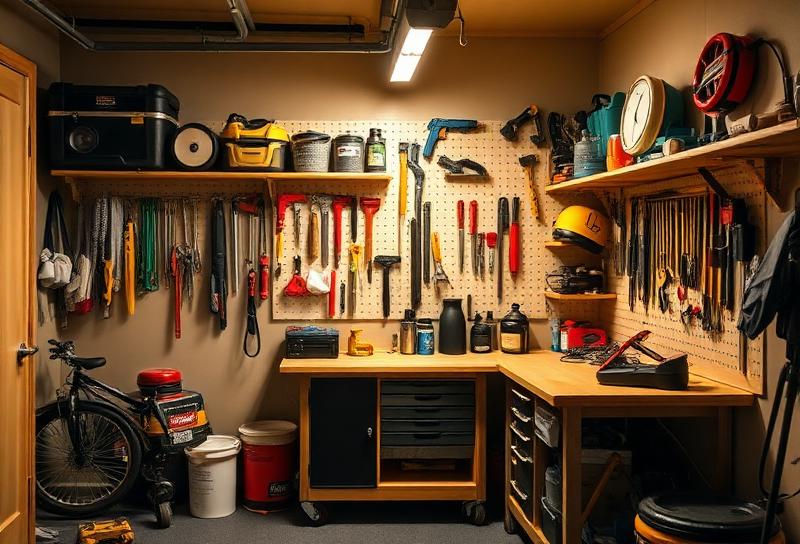
The Reality of Small Space Woodworking
Many of history’s finest craftsmen worked in spaces smaller than a modern parking spot. The key isn’t square footage—it’s organization, tool selection, and knowing what projects fit your space.
- Focus on hand tools—they require less space and no dust collection
- Choose projects that match your available space
- Work in stages—you don't need all your tools out at once
- Invest in quality over quantity
Practical Considerations
Managing Noise
- Hand tools are almost silent—perfect for apartments
- Schedule power tool work during acceptable hours
- Consider a sound-dampening mat under your workbench
- Cordless tools are quieter than corded versions
Dust Control
- Work near a window when possible for ventilation
- A shop vacuum with fine dust filter is worth the investment
- Wet sanding creates less airborne dust
- Clean as you go—small messes are easier to manage
Lighting & Layout
- Good lighting prevents mistakes and eye strain
- LED shop lights are inexpensive and effective
- Keep frequently used tools within arm’s reach
- Vertical storage maximizes floor space
Workspace Ideas
Creative solutions for creating a functional workshop in any space.
1
The Folding Workbench
A wall-mounted folding workbench gives you a solid work surface that disappears when not in use. Perfect for garages that double as parking spaces.
2
The Rolling Cart
A sturdy rolling cart with locking wheels serves as a mobile workbench. Roll it out to work, roll it away to store. Add a thick butcher block top for a solid surface.
3
The Closet Workshop
Convert a closet into a mini workshop with a fold-down table and pegboard walls. Close the doors and your workshop is hidden.
4
The Balcony Setup
A small table, some hand tools, and good organization can turn a balcony into a pleasant outdoor workspace for small projects.